
Contents: Removal ⇊ Installation ⇊
Note: The engine must be completely drained before starting work.
Removal
1. Disconnect the negative cable from the battery.
2. Drain the coolant from the radiator and block (see Chapter 1).
3. Drain the oil and remove the oil filter (see Chapter 1)
4. On gasoline-injected engines, relieve the pressure in the fuel system (see Chapter 4).
5. Remove the intake manifold (see Section 5).
6. Remove the exhaust manifold (see Section 6).
7. Remove the drive belt and camshaft sprocket (see Section 7).
8. Remove the camshaft and rocker arm axle assembly.
9. Inspect the cylinder head: mark and remove all cables, hoses and wires
10. Loosen the cylinder head bolts in ¼ turn increments until they can be loosened by hand. We recommend loosening the bolts in the reverse order shown in Fig. 12.10 to avoid warping.
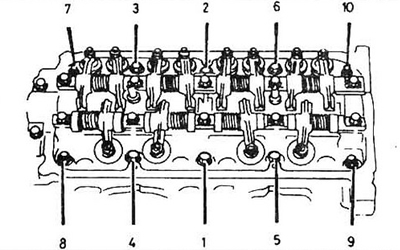
Fig. 12.10a Cylinder head bolt tightening sequence (models from 1984 to 1987.). When unscrewing, the order is reversed
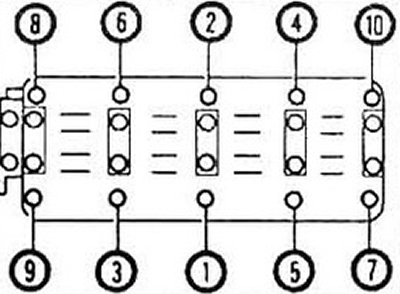
Fig. 12.106 Cylinder head bolt tightening sequence (models since 1988.). When unscrewing, the order is reversed
11. Lift the cylinder head. If it is stuck, lift it very carefully using screwdrivers, inserting them from the ends of the head and slowly wedging the joint.
12. Remove all protruding parts from the mating surfaces for cleaning and inspection. Some engines are equipped with auxiliary valves. These can be removed from the cylinder head by loosening the plug nut with a deep socket. The valve can be disassembled to replace the seals. If any valve components are damaged, the entire valve should be replaced.
When installing the auxiliary valve, always use new gaskets and rubber rings.
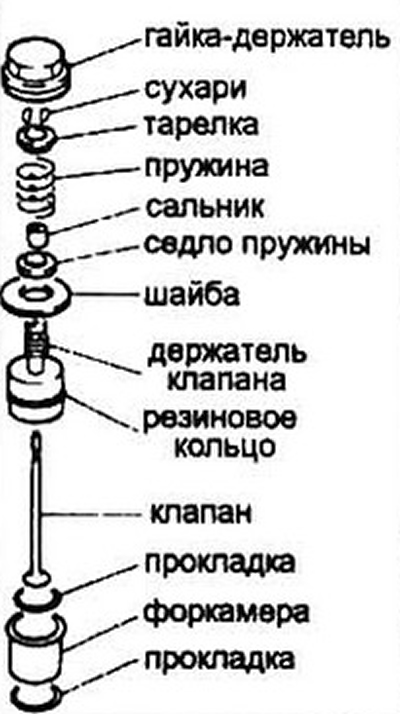
Fig. 12.12a Assembling the additional valve
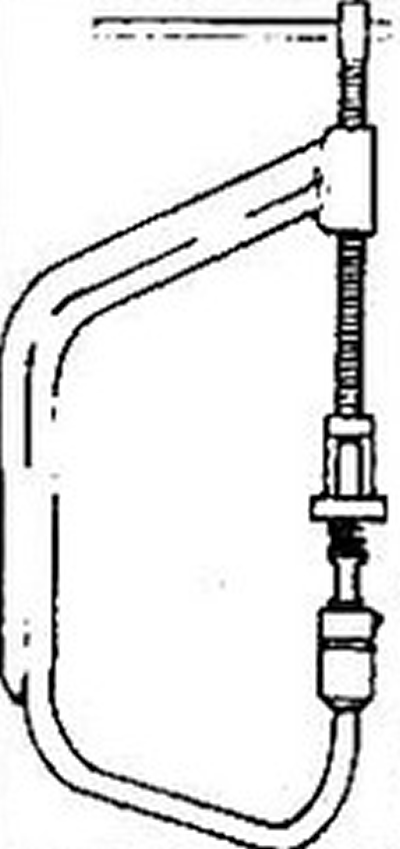
Fig. 12.12b Assembly of the additional valve unit in a special device
13. The cylinder head servicing procedure is described in Parts B Chapters 2.
Installation
14. If the engine is equipped with oil flow limiters, remove them and clean the installation area.
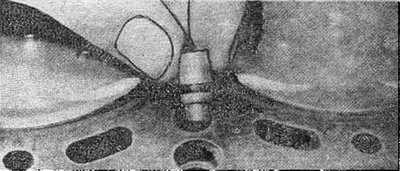
Fig. 12.14 Removing the oil flow limiter from the block
15. Remove traces of old gaskets and coke deposits from the mating surfaces of the head and block and wash them.
Do not lubricate the head and block surfaces with oil. When working on the block, cover the cylinders with a soft, clean cloth to prevent dirt particles from getting in.
16. Check the block surfaces and head for nicks, cracks and other damage.
17. If the threaded holes in the block are heavily contaminated, clean them with a tap and blow them out with compressed air. Make sure that nothing remains in the holes.
18. Clean the threads of the cylinder head mounting bolts: dirt, corrosion, and damage to the threads will result in an error in estimating the force when tightening the bolts.
19. Install the oil flow limiters. Replace the rubber sealing ring.
20. Install the new gasket onto the block. Make sure the gasket seats on the guide pins.
21. Carefully lower the head onto the block, being careful not to displace the gasket.
22. Lubricate the threads of the mounting bolts with a small amount of engine oil and lower them into their sockets in the head.
23. Tighten the bolts by hand. Then, following the recommended sequence, tighten the bolts in two stages. Tightening torques are specified in the specification.
24. Assemble in the reverse order of disassembly.
25. Check the valve adjustment and adjust them if necessary (see Chapter 1).
26. Install a new oil filter. Fill the engine with oil and coolant (see Chapter 1).
27. Start the engine and check for leaks. Set the ignition timing (see Chapter 1), then adjust it during road test runs.