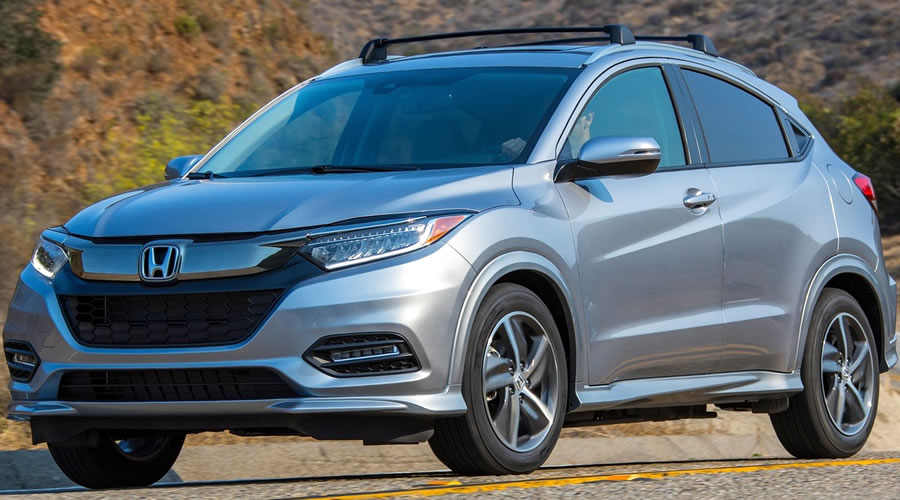
The main competitors of the subcompact crossover "HR-V" are BMW X1, Citroen Cactus, Chery Tiggo, Ford EcoSport, Hyundai Kona, Kia Stonic, Lada X-Ray Cross, Mazda CX-3, Mitsubishi ASX, Nissan Juke, Opel Mokka, Peugeot 2008, Skoda Yeti, Suzuki Ignis, Toyota Rush, Volkswagen T-Cross and VAZ-2121.
First generation (GH1-GH4, 1998−2006)
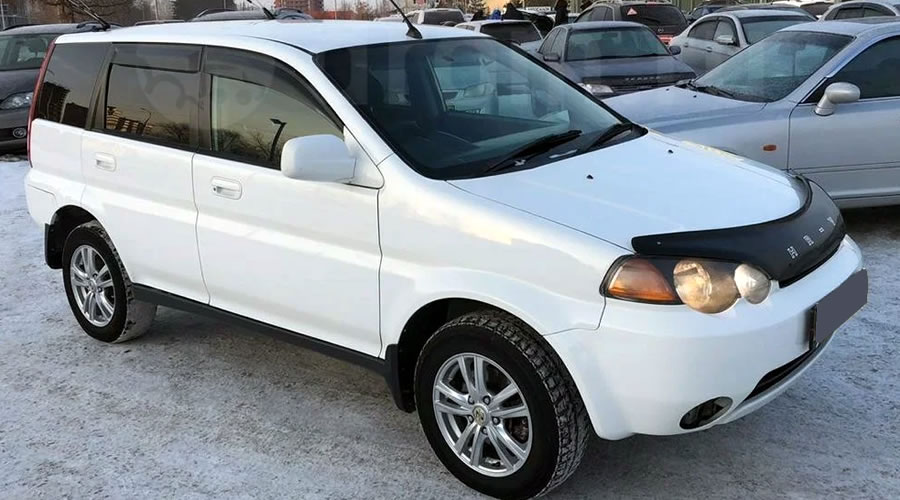
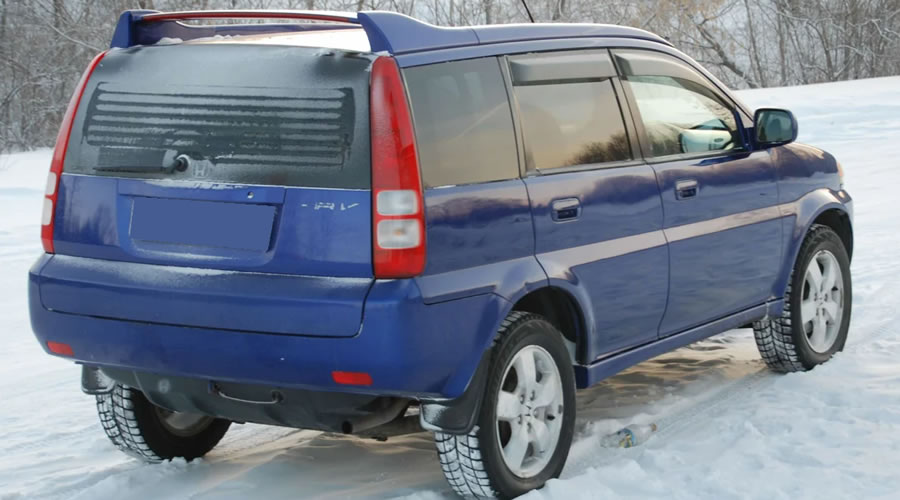
The first generation was launched in 1988. The car was based on the platform used for the Honda Logo compact cars. The concept car was unveiled at the Tokyo Motor Show in 1997. It was a futuristic, lightweight, comfortable all-terrain vehicle. Exports to Europe began in 1999. At first, they began producing a three-door body measuring 4,000 mm in length, 1,695 mm in width, and 1,695 mm in height. In 1999, a five-door body measuring 4,110 mm in length appeared. The vehicle's curb weight was 1,200-1,300 kg. The drive was either hollow or front-wheel drive. The three-door body was discontinued in 2003, and the final production of the model ceased in 2006.
The engines were only petrol four-cylinder with a capacity of 1.6 liters (1590 cm³). In the period 1998-1999, the engine "D16W1" with a capacity of 105 hp was used, which was replaced by "D16W5" with the "VTEC" injection system with a capacity of 124 hp. The gearbox was a 5-speed manual or a continuously variable "Multimatic S". The rear-wheel drive system "Real Time 4WD" was taken from "CR-V". There are two pumps installed in the rear gearbox, one is driven by the cardan shaft, the second by the rear wheels, and when the front wheels slip, the rear ones are automatically connected.
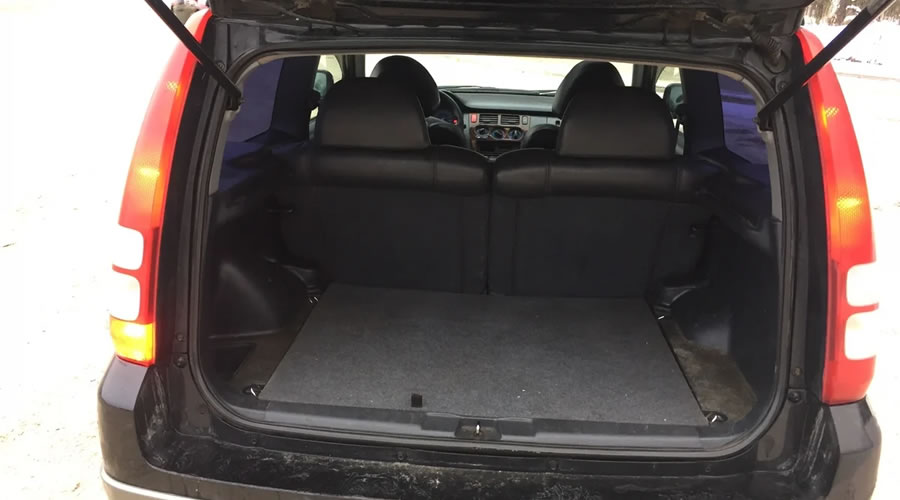
The car has a seating capacity of four people and has modern safety features such as ABS brakes with electronic brake force distribution, dual SRS (supplemental restraint system) airbags. For the convenience of the driver and passengers, features such as electric mirrors, electric windows, folding rear seats, power steering, air conditioning, front fog lights and a rear spoiler that houses LED brake lights are available.
Second generation (DBA-RU1, 2016−present)
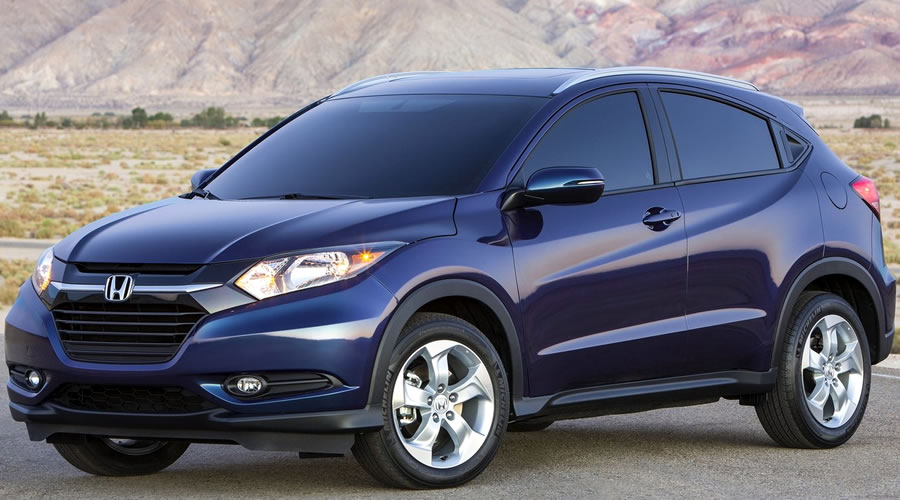
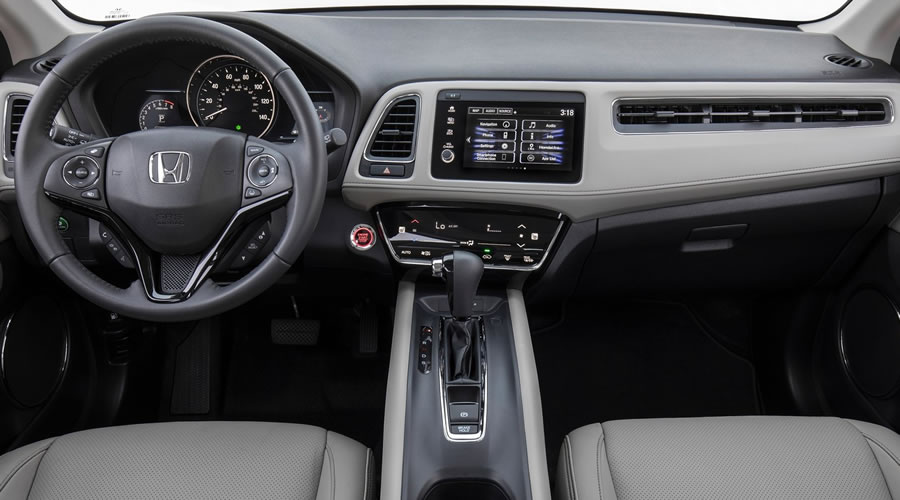
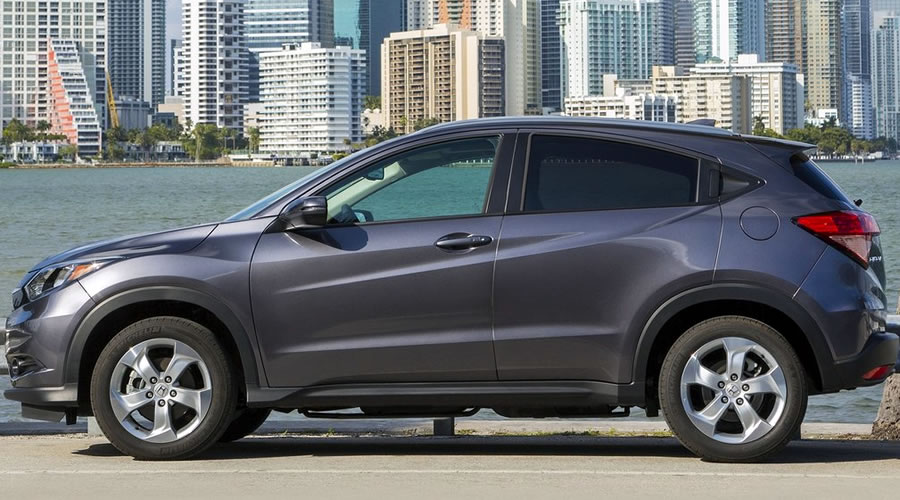
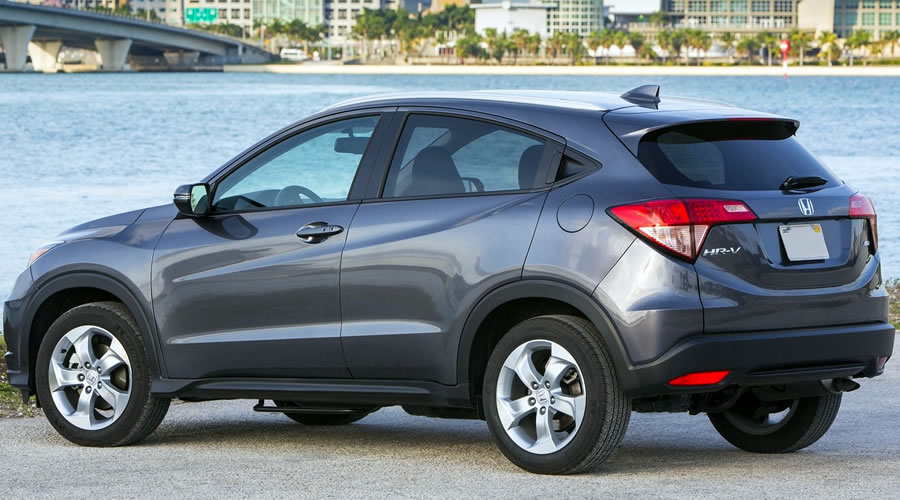
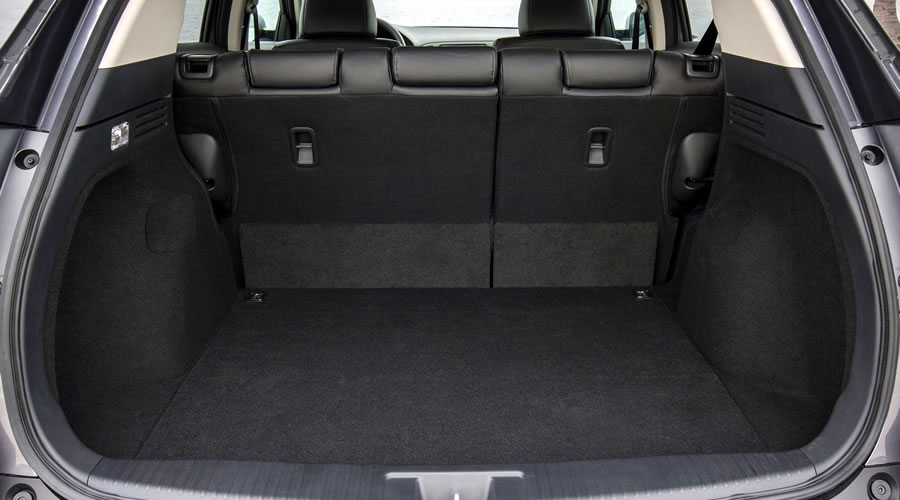
The second generation was presented at the Tokyo Motor Show in November 2013 under the name "Honda Vezel", sales in Japan began in December 2013. In North America, the car debuted at the New York International Auto Show in April 2014 under the revived name "Honda HR-V". This name was transferred to other markets, except China, where it was called "Honda XR-V". It uses the same platform as the third-generation "Honda Fit". The body is presented only as a five-door SUV with a length of 4295 mm, a width of 1770 mm, a height of 1605 and a curb weight of 1180-1270 kg. All-wheel drive or front-wheel drive. The car is produced in Japan, Argentina, Brazil, India, Indonesia, Malaysia, Mexico, Thailand and Taiwan.
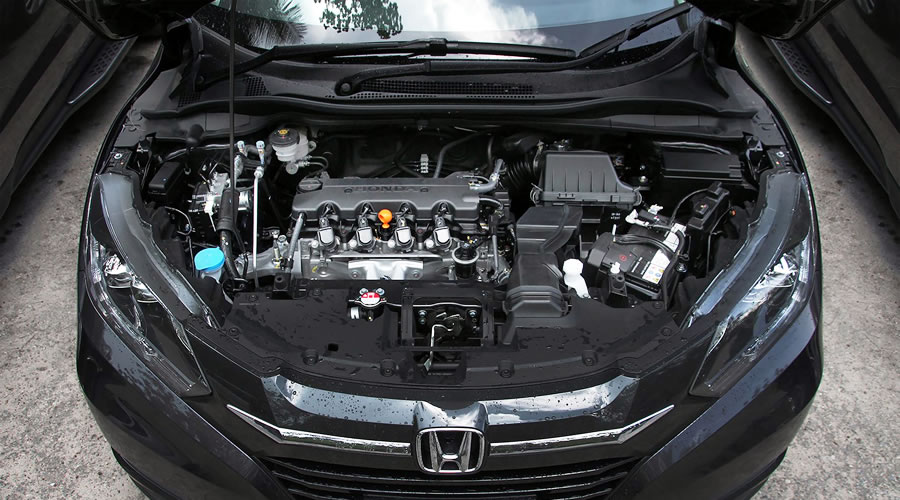
The engines are equipped only with petrol four-cylinder engines with a capacity of 1.5 liters (1497 cm³, L15Z6, i-VTEC, 118 hp), 1.5 liters (1496 cm³, L15B, i-VTEC, 130 hp), 1.8 liters (1799 cm³, R18Z9, 139 hp) and 1.8 liters (1799 cm³, R18A1, i-VTEC, 139 hp). The gearbox is 6-speed manual, 7-speed automatic or continuously variable transmission (CVT). On the Japanese market there was a hybrid version of "Vezel" with a 1.5-liter engine with a capacity of 130 hp and an electric motor with a capacity of 30 hp. Fuel consumption in the JC08 cycle of a conventional car is 4.9 l per 100 km, while that of a hybrid car is 3.7 l per 100 km.
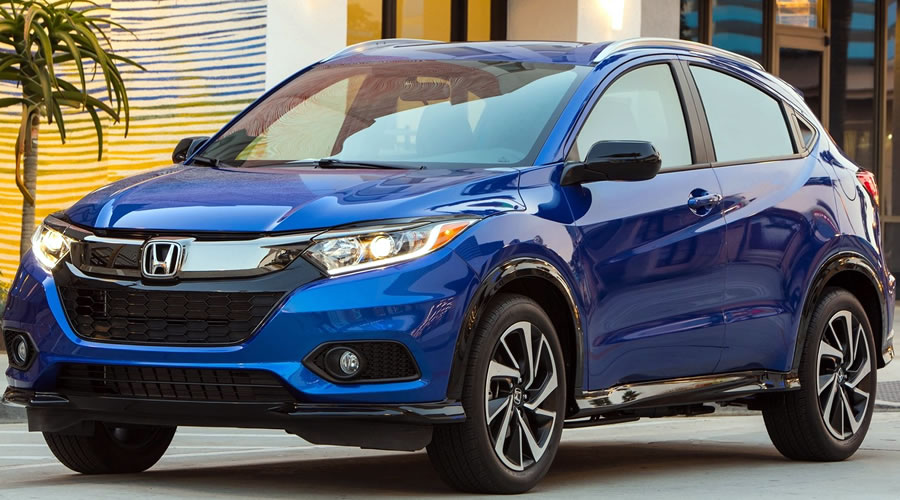
In 2018, the model was updated. The changes affected the chrome grille, LED headlights, the same as on "Civic", modified taillights and an updated bumper design, Apple CarPlay and Android Auto will now be available on all trim levels. The standard radio has been updated and has a volume control knob instead of a slider. The manual transmission has ceased to be used. Trim levels and equipment are called "LX", "Sport", "EX", "EX-L" and "Touring".
The National Highway Traffic Safety Administration (NHTSA) has tested the safety of the 2016 HR-V:
- Overall rating: 5 out of 5 stars
- Front Impact (Driver) - 4 out of 5 stars
- Frontal Impact (Passenger) - 4 out of 5 stars
- Side Impact (Driver) - 5 out of 5 stars
- Side Impact (Passenger) - 5 out of 5 stars
- Tip-over Resistance - 4 out of 5 stars