
Warning: Do not allow antifreeze to come into contact with your skin or painted surfaces of the vehicle. Rinse with water immediately. Do not store antifreeze in open containers. Toxic. Fire hazard. Cool the engine before starting work.
1. Disconnect the negative cable from the battery.
2. Drain the coolant (see Chapter 1). If the coolant is in good condition, it can be reused.
3. Remove the drive belts (see Chapter 1).
4. Remove the air filter (see Chapter 1) and the camshaft cover (see Chapter 2A).
5. Remove the two bolts securing the upper camshaft drive belt cover and remove the cover (see Chapter 2A).
6. Remove the lower camshaft belt cover and dismantle the belt (see Chapter 2A).
7. Remove the pump mounting bolts (see fig. 8.7) and remove it from the engine.
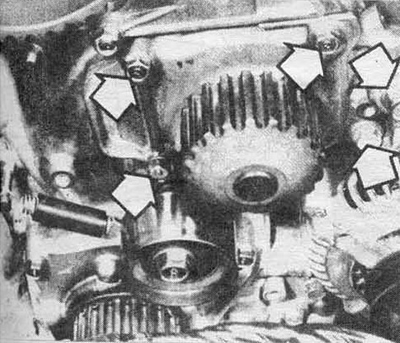
Fig. 8.7 Pump mounting bolts are shown by arrows
8. Compare the old and new pumps and make sure they are identical.
9. Clean the mating surface of the pump and engine.
10. Wash the surfaces with solvent or gasoline.
11. Lubricate the groove under the rubber ring with sealant, carefully install the rubber ring into the pump.
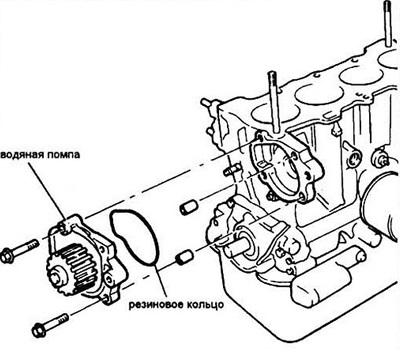
Fig. 8.11 Installing the rubber ring. Do not allow it to twist
12. Carefully install the pump on the engine.
13. Tighten the bolts by hand (if the bolts simultaneously secure both the pump and other parts, these parts also need to be installed). Tighten the bolts in 1/4 turn increments to the torque specified in the specification. Do not overtighten the bolts to avoid damage to the pump.
14. Assemble the engine.
15. Fill the cooling system, start the engine and check for leaks.