
Contents: Control ⇊ Removal and installation ⇊
Warning: To avoid accidents, do not operate the engine with a damaged fan. Do not attempt to repair the blades - replace the fan.
Control
1. Disconnect the plug from the fan motor. Connect the motor directly to the battery using wires of sufficient length. If the fan does not rotate, replace the fan motor.
2. If the previous test is positive, there are probably defects in the fan thermal relay or broken wires. To check the integrity of the wiring, disconnect the plug from the thermal relay located at the bottom of the radiator (see fig. 4.2a).
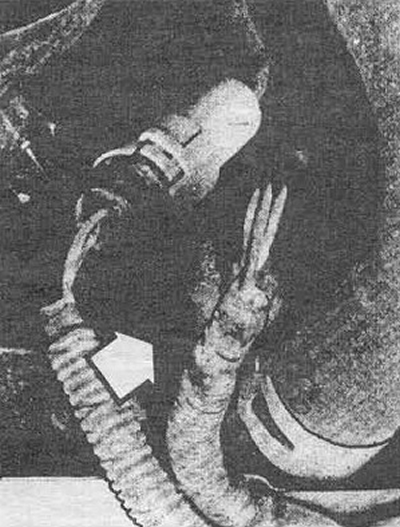
Fig. 4.2a Remove the protective cap from the thermal relay contacts
Connect the plug contacts with a piece of wire. Turn the ignition key to the "start" position. If the fan starts working, the thermal relay is faulty.
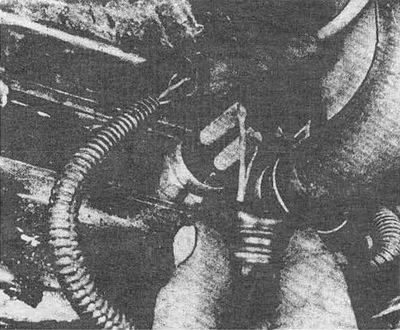
Fig. 4.2b To check the integrity of the fan motor electrical circuit, remove the wires from the thermal relay and short-circuit the circuit with a wire. To replace the thermal relay, drain the coolant. Install the new relay on the sealant
3. If the fan still does not work, carefully check all wiring.
Removal and installation
4. Disconnect the negative cable from the battery.
5. Release the fan wires from the mounting clips.
6. Release the latch on the fan plug and disconnect the wires.
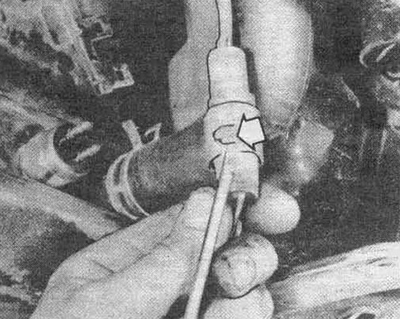
Fig. 4.6 The fan motor plug is located in close proximity to the motor. Pry up the latch (arrow) and disconnect the wires
7. Remove the expansion tank (see Section 6).
8. Drain the coolant (see Chapter 1) and remove the upper and lower radiator casings.
9. To make it easier to access the fan diffuser, remove (if installed) louver body. Unscrew the bolts securing the diffuser brackets (see fig. 4.9a, b). Carefully remove the diffuser from the engine compartment. Do not damage the radiator fins.
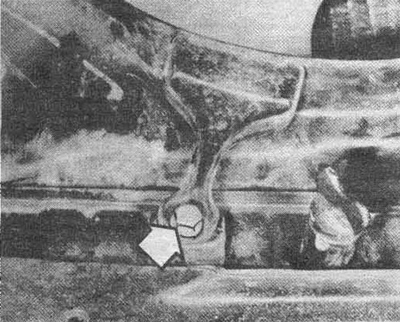
Fig. 4.9a Diffuser mounting bolts at the bottom of the radiator
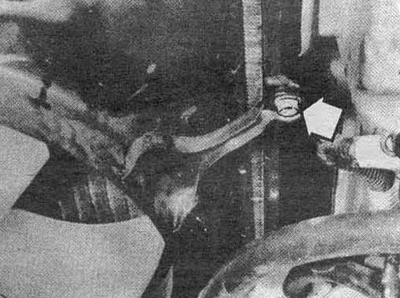
Fig. 4.9b Diffuser mounting bolt on the side of the radiator
10. Disconnect the fan from the electric motor.
11. Unscrew the engine mounting nuts from the bracket.
12. Assemble the unit in reverse order.