
HondaBook.ru
Auto companies Volkswagen Auto companies Ford Auto companies Lada Auto companies Skoda Auto companies BMW Auto companies Mazda Auto companies Peugeot
English Русский
Български
Беларускі
Український
Српски
Hrvatski
Română
Polski
Slovenský
Magyar
Bookmark Contacts Sitemap   


Accord Civic Fit / Jazz CR-V HR-V Others Articles
Civic 3 and 4 (1983-1991) Civic 5 and 6 (1991-2000) Civic 6 (1995-2000) Civic 7 (2000-2005) Civic 8 (2005-2011)

Heating and air conditioning system — control and maintenance (Honda Civic 3)

  • Main
  • Honda Civic
  • 3 (1983-1991)
  • Power unit
  • Cooling system
  • Heating and air conditioning system — control and maintenance
0
Contents: Air conditioning system ⇊ Refrigerant addition ⇊ Heating system ⇊
Warning: The air conditioning system is under high pressure. Do not attempt to fill the system yourself.


Air conditioning system


1. Fig. 13.1a shows the main components of the air conditioning system. To ensure efficient operation of the air conditioner, perform the following tasks:
  • a) Inspect the compressor drive belt; replace it if worn or damaged.
  • b) check and, if necessary, adjust the belt tension (see Chapter 1).
  • c) check the condition of the hoses and connection points for leaks.
  • d) Keep the air conditioner grille clean. Remove dirt from the grille by blowing it out with compressed air.
  • d) Make sure that the system is sufficiently charged with refrigerant.
  • e) If you hear the sound of dripping water or find liquid on the floor mats, drain the condensate from the evaporator housing (see fig. 13.16). clearing the drainage pipes.
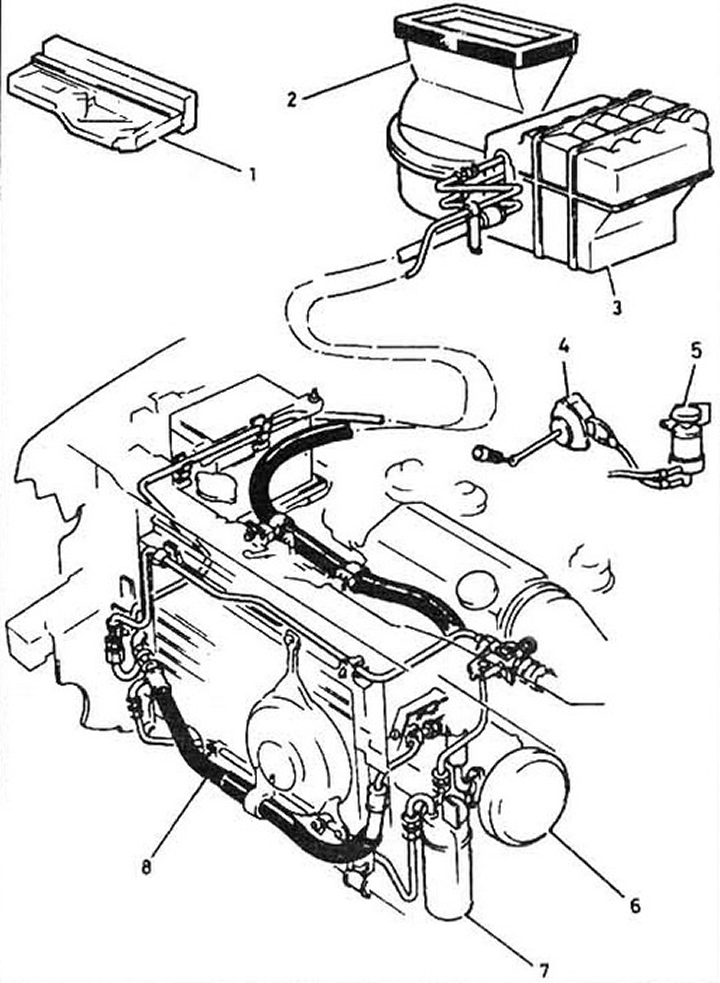
Fig. 13.1a Air conditioning system: 1 - control…

Fig. 13.1a Air conditioning system: 1 - control panel; 2 - fan casing; 3 - evaporator; 4 - filling diaphragm; 5 - electromagnetic control valve; 6 - compressor; 7 - receiver-dryer; 8 - capacitor.
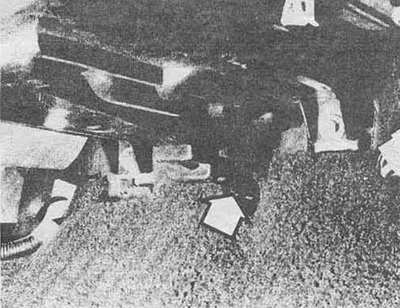


Fig. 13.16 The drain pipe (arrow) is located…

Fig. 13.16 The drain pipe (arrow) is located under the instrument panel in the center of the car


2. It is advisable to turn on the system for 10 minutes once a month. This is especially important during the winter months, as long periods of downtime have a negative impact on the condition of the system components.

3. Major repairs to the air conditioning system can only be carried out in a specialized workshop. However, minor repairs are possible and are described in this chapter.

4. In most cases, poor air conditioning performance is due to loss of refrigerant.

5. When the system is operating, look through the viewing window (see fig. 14.3). If the refrigerant appears foamy, it is low. Fill the system (see below).
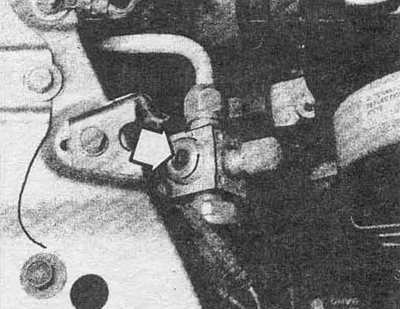
Fig. 13.5 The viewing window on most models is…

Fig. 13.5 The viewing window on most models is located at the left front corner of the engine compartment. On some models it is located at the top of the receiver-dryer (see fig. 14.3)


Refrigerant addition


6. Buy a can of refrigerant. The can contains about 400 grams of refrigerant, a tap plug, and a piece of tubing to connect to the low-pressure system of the air conditioner.

Note: Never connect the canister to the high-pressure side. Since one canister may not be enough for refilling, buy several refilling containers at once. It is advisable to use red refrigerant for refilling, which will help quickly identify possible leaks.


Caution: Wear safety glasses when refueling.


7. Use the can according to the manufacturer's instructions.

8. Warm up the engine and turn on the air conditioner.

9. Install the thermometer 8 in the center of the air flow grille (see fig. 13.9) and add refrigerant until the temperature shown on the thermometer becomes about 5-8 degrees Celsius.
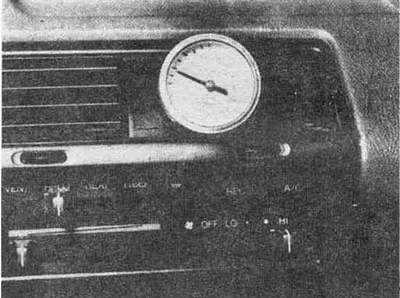
Fig. 13.9 Placing the thermometer on the…

Fig. 13.9 Placing the thermometer on the ventilation grille


Heating system


10. If the incoming air from the heater is cold, this may be due to the following reasons:
  • a) the thermostat is fully open and prevents the engine from warming up normally. Replace the thermostat (see Section 3).
  • b) the hoses are pinched, thereby stopping the flow of coolant through the heater radiator. Touch the hoses. They should be warm. If they are cold, one of the hoses has flow resistance or the control valve is closed. Disconnect the hoses and flush the radiator. If the radiator core is clean, but circulation is not restored, remove both hoses and flush them.
  • c) If you were unable to flush the hoses, replace them.

11. If the blower speed does not match the switch position, check the switch operation, resistance on the motor, motor, electrical circuits and fuses.


a) First check the integrity of the fuses.

b) check the voltage at the motor terminals.

c) remove the heating/air conditioning system control unit (see Section 12) so far that there is access to the contacts of the heater fan switch. If there is no voltage on the switch, the problem is in the circuit between the battery and the switch (see wiring diagram at the end of this manual).

d) when checking the motor resistance, make sure there is voltage on it. The resistance is located on the heater fan motor at the bottom of the glove compartment (see fig. 13.11).
  • 1) If there is no voltage on the resistor, check the wiring.
  • 2) if the wiring is OK, replace the switch (see section 12).

d) Using a voltmeter or test lamp, check for voltage on the engine. If there is no voltage, replace the resistor.
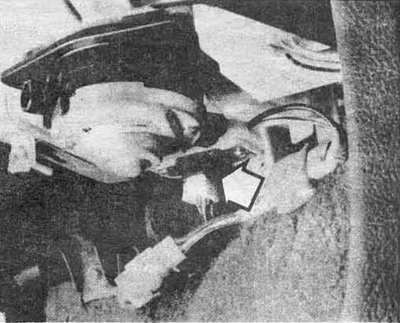
Fig. 13.11 The heater motor resistor (arrow) is…

Fig. 13.11 The heater motor resistor (arrow) is located below the right side of the instrument panel behind the engine


12. If air does not pass through the grilles:
  • a) Turn on the ignition and start the blower motor. Most motors can be heard through the air vents.
  • b) if the engine cannot be heard, there is a high probability that it is faulty (before this, you should have already made sure that the motor resistance and switch are working properly) see Section 10.

Note: You can determine the condition of the fan motor by directly connecting it to the battery.


13. If the mat under the heater casing is wet or antifreeze vapors are coming through the heater grille, then the heater radiator core is clearly damaged (leaks).

(Based on materials from the website hondabook.ru)
This article is available at: russian, bulgarian, belarusian, ukrainian, serbian, croatian, romanian, polish, slovak, hungarian
This information has been verified: Yaroslav Shiryaev
Share with friends:
◀ Previous
Civic 3 and 4: Cooling system
Next ▶

Heater and air conditioner control unit — removal and installation
Heater housing — removal and installation
Heater Fan — Removal and Installation
Coolant Temperature Sensor — Checking and Replacing
Water pump — replacement
Air Conditioner Receiver-Dryer — Removal and Installation
Air Conditioning Compressor — Removal and Installation
Air Conditioner Condenser — Removal and Installation
See also other articles from Honda manuals:
Checking the health and maintenance of heating and air conditioning… Honda Accord 6 (1997-2002)
Tightening torques for threaded connections of the air conditioning… Honda Fit 1 (2001-2008)
Control the audio system using the steering wheel remote control Honda CR-V 2 (2002-2006, petrol)
Testing the Generator Control System (KG, KE, KQ and KU Models) Honda HR-V 1 (1998-2006, petrol)
Active Engine Mount Control System Component Locations Honda Avancier 1 (1999-2003, petrol)
Link in different formats to this article
Comments and feedback from visitors
No comments yet


How much will 37 + 43 ?


Civic 8 (2005-2011) 
  • General information
  • Technical data
  • Governing bodies
  • Driving and maintenance
  • Power unit
  • Gasoline engines (L13A)
  • Gasoline engines (R18A)
  • Diesel engines (N22A)
  • Cooling and lubrication (L13A)
  • Cooling and lubrication (R18A)
  • Cooling and lubrication (N22A)
  • Injection system (gasoline)
  • Injection system (diesel)
  • Toxicity reduction system
  • Troubleshooting
  • Transmission
  • Clutch and drive shafts
  • Mechanical gearbox
  • Chassis and running gear
  • Suspension and wheels
  • Steering
  • Brake system
  • Body and interior
  • Exterior (external elements)
  • Doors, locks and windows
  • Electrical equipment
  • Equipment and devices
  • Headlights and lighting
  • Power devices
  • Electrical circuits
Civic 7 (2000-2005) 
  • General information
  • User manual
  • Maintenance
  • Power unit
  • Engines D15B and D17A
  • K20A Engines
  • Overhaul engine
  • Cooling system
  • Lubrication system
  • Fuel injection system
  • Toxicity reduction system
  • Engine electrical equipment
  • Transmission
  • Clutch
  • Manual gearbox
  • Automatic gearbox
  • Variator (CVT)
  • Drive shafts
  • Chassis and running gear
  • Car suspension
  • Steering
  • Brake system
  • Body and interior
  • Exterior (external elements)
  • Interior (internal elements)
  • Doors, locks and windows
  • Heater and air conditioner
  • Manual air conditioner
  • Automatic air conditioner
  • Security system
  • Electrical equipment
  • Equipment and devices
  • Headlights and lighting
  • Windscreen wipers
  • Audio system
  • Electrical diagrams
Civic 6 (1995-2000) 
  • General information
  • Introduction to guide
  • User manual
  • Maintenance
  • Power unit
  • Engine in car (Civic)
  • Engine in car (Integra)
  • Engine overhaul
  • Cooling and heating
  • Power and exhaust systems
  • Engine electrical equipment
  • Engine management systems
  • Transmission
  • Manual gearbox
  • Automatic transmission (AT/CVT)
  • Clutch and drive shafts
  • Chassis and running gear
  • Brake system
  • Car suspension
  • Steering
  • Body and interior
  • Exterior (external elements)
  • Interior (internal elements)
  • Doors, locks and windows
  • Electrical equipment
  • Equipment and devices
  • Electrical circuits
Civic 5 and 6 (1991-2000) 
  • Power unit
  • SOHC engines
  • DOHC engines
  • Engine overhaul
  • Cooling and lubrication system
  • Intake and exhaust system
  • Fuel injection system (SOHC)
  • Fuel injection system (DOHC)
  • Carburetor
  • Transmission
  • Clutch
  • Manual gearbox S4C
  • Manual gearbox S40
  • Automatic gearbox
  • Drive shafts
  • Chassis and running gear
  • Car suspension
  • Steering
  • Brake system
  • Body and interior
  • Body elements
  • Heater and air conditioner
  • Electrical equipment
  • Power devices
  • Equipment and instruments
  • Electrical circuits
Civic 3 and 4 (1983-1991) 
  • General information
  • Maintenance
  • Power unit
  • Engine in a car
  • Engine overhaul
  • Cooling system
  • Power and exhaust system
  • Engine electrical equipment
  • Emission control system
  • Transmission
  • Mechanical gearbox
  • Automatic gearbox
  • Clutch and drive shafts
  • Four-wheel drive
  • Chassis and running gear
  • Brake system
  • Car suspension
  • Steering
  • Body and interior
  • Body elements
  • Electrical equipment
  • Equipment and devices
  • Electrical circuits
HondaBook.ru © 2018–2026 • Mobile version • Sitemap: EN BG BY UA RS HR RO PL SK HU • Feedback • Driver Information • Search system • Bookmark
Accord 3 (1985-1989) • Accord 6 (1997-2002) • Civic 3 and 4 (1983-1991) • Civic 5 and 6 (1991-2000) • Civic 6 (1995-2000) • Civic 7 (2000-2005) • Civic 8 (2005-2011) • Fit 1 (2001-2008) • CR-V 1 (1995-2001) • CR-V 2 (2002-2006) • HR-V 1 (1998-2006) • Avancier 1 (1999-2003) •
 
This website uses cookies to ensure proper functioning. By clicking "OK," you agree.