
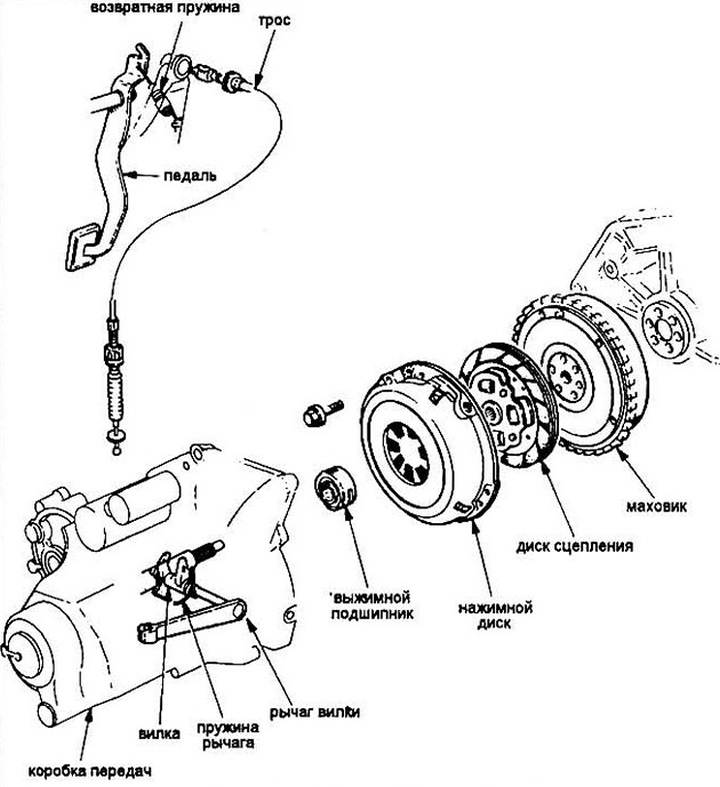
Fig. 2.1 Clutch assembly (typical scheme)
2. The clutch is controlled mechanically. The clutch engagement system consists of a pedal, cable, fork lever and release bearing.
3. When you press the clutch pedal, the cable turns the fork lever, which moves the release bearing with its fingers.
The bearing presses on the diaphragm petals, relieving the force pressing the disc to the flywheel - the clutch disengages.
4. Below we provide the initial stage of clutch condition diagnostics.
- a) Clutch "slowdown" control: the engine is idling, the gearbox lever is in neutral, the clutch is engaged. Press the clutch pedal, wait a few seconds and engage reverse gear. If there is a grinding sound, there are problems with the pressure plate or clutch disc.
- b) Checking the complete disengagement of the clutch. Put the car on the parking brake. Start the engine. Keep the clutch pedal approximately 13 mm from the floor. Engage first and reverse gears alternately. If shifting is difficult and there is a grinding sound, there is a fault in the clutch.
- c) Inspect the clutch pedal bushing. Make sure there are no bends or excessive wear.
- d) Difficulty in operating the clutch pedal is mainly caused by damage to the cable. Check for mechanical damage to the cable, corrosion, dirt, etc. If no damage is found, lubricate the cable with oil. A worn cable must be replaced.
(Original published on this resource HONDABOOK.ru)