
HondaBook.ru
Auto companies Volkswagen Auto companies Ford Auto companies Lada Auto companies Skoda Auto companies BMW Auto companies Mazda Auto companies Peugeot
English Русский
Български
Беларускі
Український
Српски
Hrvatski
Română
Polski
Slovenský
Magyar
Bookmark Contacts Sitemap   


Accord Civic Fit / Jazz CR-V HR-V Others Articles
Civic 3 and 4 (1983-1991) Civic 5 and 6 (1991-2000) Civic 6 (1995-2000) Civic 7 (2000-2005) Civic 8 (2005-2011)

Fuel vapor recovery system (Honda Civic 3)

  • Main
  • Honda Civic
  • 3 (1983-1991)
  • Power unit
  • Emission control system
  • Fuel vapor recovery system
0
Contents: General description ⇊ Models with carburetor ⇊ Fuel Injected Models ⇊ Control ⇊ Hoses ⇊ Battery ⇊

General description


1. The fuel vapor recovery system collects fuel vapors and mixes them with the finished fuel-air mixture while the engine is running.

2. The vapor accumulator is a container filled with activated carbon. The information below will help you understand how the system works

Models with carburetor


Note: This describes the operation of a typical fuel vapor recovery system. There may be some minor differences on your specific vehicle.


3. The fuel tank cap is designed as a two-way valve, which ensures safe operation in the event of failure of the fuel vapor recovery system.

4. Another two-way valve, mounted on the tank, regulates the flow of fuel vapor from the tank to the fuel accumulator and operates on the difference in fuel vapor pressure when the temperature changes.

5. Fuel vapors after the two-way valve enter the accumulator located in the engine compartment.

6. When the engine is turned off, the carburetor shut-off valve connects the cavity of the float chamber with the vapor accumulator.

7. When the engine warms up, the thermal valve at the top of the accumulator will close, and the relief diaphragm will open accordingly under the vacuum pressure in the intake manifold.

8. When the engine is turned off, the fuel supply through the main metering system is switched off by an electric valve and prevents fuel from entering the carburetor diffuser.


Fuel Injected Models


9. When the fuel vapor pressure in the tank exceeds the set level, the two-way valve will open and fuel vapor will flow into the accumulator.

10. The accumulator stores fuel vapors until they are supplied to the engine.
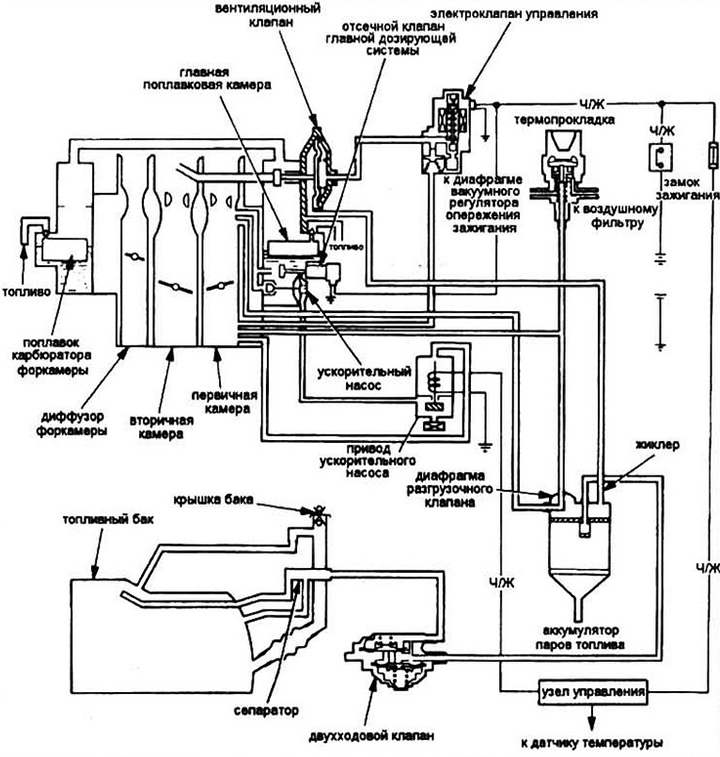
Fig. 10.1a Typical diagram of a fuel vapor…

Fig. 10.1a Typical diagram of a fuel vapor recovery system (carburetor engines)
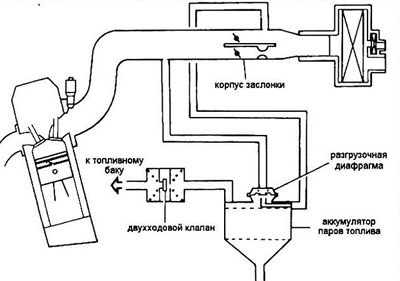

Fig. 10.1b Typical fuel vapor recovery system…

Fig. 10.1b Typical fuel vapor recovery system (models with injection)


11. The battery is unloaded through a diaphragm controlled by a thermal valve: up to a coolant temperature of 55 degrees Celsius, the vacuum from the intake manifold is not supplied to the diaphragm; when this temperature is exceeded, the diaphragm opens and the battery is blown with fresh air, carrying fuel from the battery into the throttle space.


Control


Note: The chance of failure of the fuel vapor recovery system is very small. The most common failures are the hoses and the fuel vapor accumulator.

Hoses


12. Inspect the hoses first according to the connection diagram fixed inside the engine compartment, usually on the hood. Replace damaged hoses.

Battery


13. Remove the battery from the vehicle.

14. Warm up the engine and set its speed to 2500 rpm. If the battery is working properly, you should feel suction. Otherwise, replace the battery.

15. Disconnect the inlet hose and plug the inlet hole with your finger.
This article is available at: russian, bulgarian, belarusian, ukrainian, serbian, croatian, romanian, polish, slovak, hungarian
This information has been verified: Yaroslav Shiryaev
Share with friends:
◀ Previous
Civic 3 and 4: Emission control system
Next ▶

Crankcase ventilation system
Air temperature sensor (models with injection) — control and replacement
Air Flow Control Valve (1988 and Later Models) — Inspection and Replacement
Throttle Position Sensor — Checking and Replacing
Crankshaft Position Sensor — Checking and Replacement
Intake Air Temperature Control System (Carburetor Models)
Ignition Timing Control System
Throttle control system
Atmospheric pressure compensator
Catalytic converter
See also other articles from Honda manuals:
Gasoline vapor recovery system Honda Accord 3 (1985-1989)
Fuel vapor recovery system Honda Fit 1 (2001-2008)
Gasoline vapor recovery system Honda CR-V 1 (1995-2001, petrol)
Fuel lines of the power supply system Honda HR-V 1 (1998-2006, petrol)
Checking the fuel vapor recovery system Honda Avancier 1 (1999-2003, petrol)
Link in different formats to this article
Comments and feedback from visitors
No comments yet


How much will 10 + 31 ?


Civic 8 (2005-2011) 
  • General information
  • Technical data
  • Governing bodies
  • Driving and maintenance
  • Power unit
  • Gasoline engines (L13A)
  • Gasoline engines (R18A)
  • Diesel engines (N22A)
  • Cooling and lubrication (L13A)
  • Cooling and lubrication (R18A)
  • Cooling and lubrication (N22A)
  • Injection system (gasoline)
  • Injection system (diesel)
  • Toxicity reduction system
  • Troubleshooting
  • Transmission
  • Clutch and drive shafts
  • Mechanical gearbox
  • Chassis and running gear
  • Suspension and wheels
  • Steering
  • Brake system
  • Body and interior
  • Exterior (external elements)
  • Doors, locks and windows
  • Electrical equipment
  • Equipment and devices
  • Headlights and lighting
  • Power devices
  • Electrical circuits
Civic 7 (2000-2005) 
  • General information
  • User manual
  • Maintenance
  • Power unit
  • Engines D15B and D17A
  • K20A Engines
  • Overhaul engine
  • Cooling system
  • Lubrication system
  • Fuel injection system
  • Toxicity reduction system
  • Engine electrical equipment
  • Transmission
  • Clutch
  • Manual gearbox
  • Automatic gearbox
  • Variator (CVT)
  • Drive shafts
  • Chassis and running gear
  • Car suspension
  • Steering
  • Brake system
  • Body and interior
  • Exterior (external elements)
  • Interior (internal elements)
  • Doors, locks and windows
  • Heater and air conditioner
  • Manual air conditioner
  • Automatic air conditioner
  • Security system
  • Electrical equipment
  • Equipment and devices
  • Headlights and lighting
  • Windscreen wipers
  • Audio system
  • Electrical diagrams
Civic 6 (1995-2000) 
  • General information
  • Introduction to guide
  • User manual
  • Maintenance
  • Power unit
  • Engine in car (Civic)
  • Engine in car (Integra)
  • Engine overhaul
  • Cooling and heating
  • Power and exhaust systems
  • Engine electrical equipment
  • Engine management systems
  • Transmission
  • Manual gearbox
  • Automatic transmission (AT/CVT)
  • Clutch and drive shafts
  • Chassis and running gear
  • Brake system
  • Car suspension
  • Steering
  • Body and interior
  • Exterior (external elements)
  • Interior (internal elements)
  • Doors, locks and windows
  • Electrical equipment
  • Equipment and devices
  • Electrical circuits
Civic 5 and 6 (1991-2000) 
  • Power unit
  • SOHC engines
  • DOHC engines
  • Engine overhaul
  • Cooling and lubrication system
  • Intake and exhaust system
  • Fuel injection system (SOHC)
  • Fuel injection system (DOHC)
  • Carburetor
  • Transmission
  • Clutch
  • Manual gearbox S4C
  • Manual gearbox S40
  • Automatic gearbox
  • Drive shafts
  • Chassis and running gear
  • Car suspension
  • Steering
  • Brake system
  • Body and interior
  • Body elements
  • Heater and air conditioner
  • Electrical equipment
  • Power devices
  • Equipment and instruments
  • Electrical circuits
Civic 3 and 4 (1983-1991) 
  • General information
  • Maintenance
  • Power unit
  • Engine in a car
  • Engine overhaul
  • Cooling system
  • Power and exhaust system
  • Engine electrical equipment
  • Emission control system
  • Transmission
  • Mechanical gearbox
  • Automatic gearbox
  • Clutch and drive shafts
  • Four-wheel drive
  • Chassis and running gear
  • Brake system
  • Car suspension
  • Steering
  • Body and interior
  • Body elements
  • Electrical equipment
  • Equipment and devices
  • Electrical circuits
HondaBook.ru © 2018–2026 • Mobile version • Sitemap: EN BG BY UA RS HR RO PL SK HU • Feedback • Driver Information • Search system • Bookmark
Accord 3 (1985-1989) • Accord 6 (1997-2002) • Civic 3 and 4 (1983-1991) • Civic 5 and 6 (1991-2000) • Civic 6 (1995-2000) • Civic 7 (2000-2005) • Civic 8 (2005-2011) • Fit 1 (2001-2008) • CR-V 1 (1995-2001) • CR-V 2 (2002-2006) • HR-V 1 (1998-2006) • Avancier 1 (1999-2003) •
 
This website uses cookies to ensure proper functioning. By clicking "OK," you agree.