
2. On carburetor engine models, the EGR system consists of a bypass valve, two control valves and a thermal valve. The bypass valve is actuated by vacuum passing through two control valves and bypasses EG depending on the engine load. To prevent recirculation at idle, the vacuum is taken above the throttle valve. When the engine is cold, the thermal valve is open and releases vacuum from the bypass valve, thereby eliminating bypass during warm-up. When the engine reaches the operating temperature of the thermal valve, the latter closes, and the bypass valve is controlled by valve A. Valve 8 is normally closed. When a certain vacuum is reached in the intake manifold, control is performed by valves A and B.
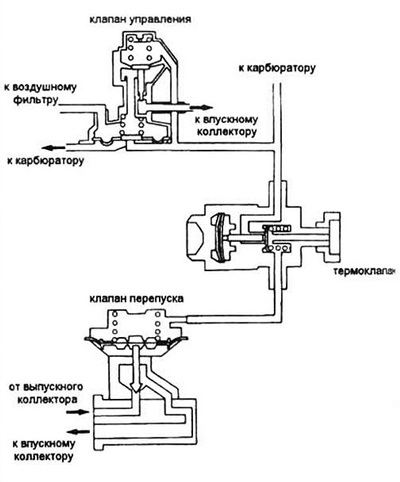
Fig. 16.2. Exhaust gas recirculation system diagram
3. On injection engine models, the EGR system consists of a bypass valve, an electromagnetic control valve, an ECU and various sensors. The ECU memory contains a program for controlling the lifting of the bypass valve for all operating conditions.
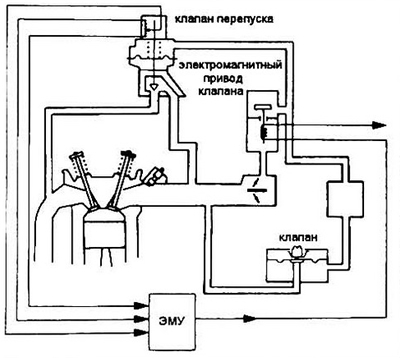
Fig. 16.3 Typical EGR system for injection engines
Control
Bypass valve
4. Start the engine. Leave it at idle speed.
5. Disconnect the vacuum hose from the valve and connect a vacuum pump in its place.
6. Apply vacuum to the valve. The vacuum should be stable, and the engine should run poorly at this time.
- a) if the vacuum is unstable and the engine does not respond in any way, replace the bypass valve;
- b) If the vacuum is stable and the engine runs smoothly, remove the valve and check its locking. Clean the passage holes from carbon deposits.
ROG system (carburetor)
7. Disconnect the vacuum hose from the bypass valve and connect a vacuum gauge.
8. Start the engine and warm it up until the cooling fan comes on.
9. Remove the control box on the rear wall of the engine compartment (four bolt mount), then remove the lid from it (four screws). There should be a vacuum in the valve hose.
- a) there is no vacuum at idle. If there is, check the correctness of the vacuum hoses connection (table under the hood) or replace the bypass valve;
- b) at 4500 rpm there should be a vacuum of 2 to 6 mm Hg. If this is not the case, check the thermovalve connections (entrance and exit). If there is a vacuum at the inlet but not at the outlet, replace the thermoclave. If there is no vacuum at the inlet, check the hoses;
- c) at 4500 rpm with the vacuum release hose pinched, the vacuum should not be more than 2 mm Hg. Replace the valve and check that the hoses are connected correctly.
- d) During rapid acceleration, the vacuum should be within 2-6 mm Hg. If this is not the case, check the vacuum at the inlet and outlet of the thermal valve. If there is a vacuum at the inlet but not at the outlet, replace the thermal valve. If there is no vacuum at the inlet, check the hoses.
- d) there should be no vacuum during deceleration.