
- a) check the brush circuit fuse or loose contacts on the wires.
- b) connect the negative terminal of the brush motor to the ground with a separate wire.
- c) if the motor does not start, check the voltage supply to its terminals. If there is voltage, remove the motor and check its operation directly from the battery. If it still does not work, replace the motor. If the motor starts, there is a fault in the circuit.
2. If the washer does not work then:
- a) Check the fluid level in the reservoir. If there is fluid, turn on the washer pump.
- b) If the pump is not heard running, check the pump motor. On most models, the pump is integral with the washer reservoir. If the motor runs when connected directly to the battery, the problem is in the wiring or the switch (see section 6).
- c) if the pump is working, but liquid does not flow through the nozzles, check the integrity of the liquid supply hoses.
- d) If the hoses look OK, disconnect the hose as close to the nozzle as possible. If the water from the hose comes out in a fairly strong stream, the nozzle is clogged.
- d) If no liquid comes out of the hose, then look for the blockage along the entire length of the hose. If you do not find anything, replace the pump.
Replacement
3. Disconnect the cable from the negative battery terminal.
4. Remove the nuts holding the brush arms.
5. Open the hood and remove the seal.
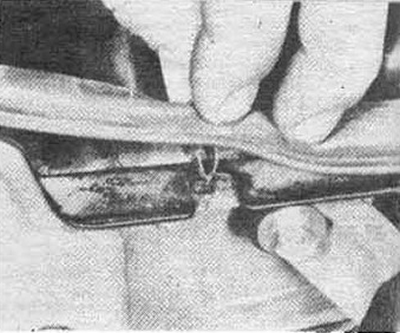
6. Disconnect the levers from the drive ball joint.
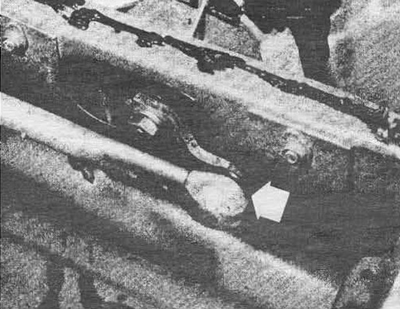
7. Remove the plastic cover (if installed) brush drive motor.
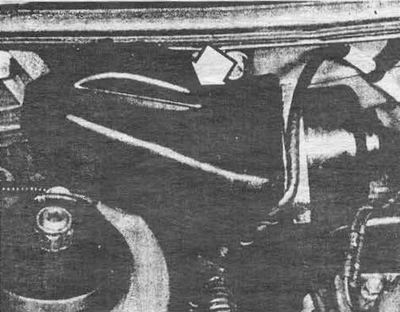
8. Disconnect the electrical connectors, unscrew the mounting bolts and remove the engine.
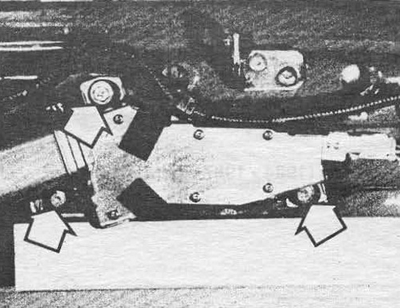 |
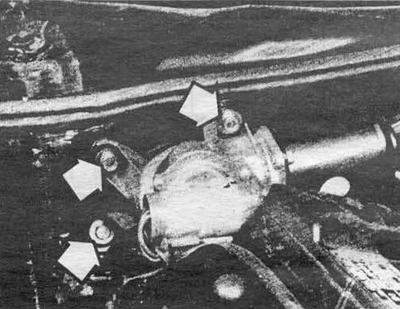 |
9. Before installation, lubricate the contact points of the levers with consistent grease. Installation is carried out in the reverse order of removal.