
Overhaul of car engines Honda CR-V 1

Checking the compression in the engine cylinders
Objective indicators of the general condition of the engine, indicating the need for a major overhaul of the engine with complete disassembly, are the results of measuring compression in the cylinders and oil pressure....
Objective indicators of the general condition of the engine, indicating the need for a major overhaul of the engine with complete disassembly, are the results of measuring compression in the cylinders and oil pressure....

Measuring oil pressure
1. On a cold engine, unscrew the oil pressure sensor and screw in a verified pressure gauge instead. 2. Measure the oil pressure at idle and at the speed specified in the Technical Data (to do this, you should connect a...
1. On a cold engine, unscrew the oil pressure sensor and screw in a verified pressure gauge instead. 2. Measure the oil pressure at idle and at the speed specified in the Technical Data (to do this, you should connect a...

Engine disassembly — general information
The engine removal procedure is discussed above in this Chapter. When disassembling the engine, mark the initial installation order and orientation of the units, assemblies, wires and hoses to be removed. This remark...
The engine removal procedure is discussed above in this Chapter. When disassembling the engine, mark the initial installation order and orientation of the units, assemblies, wires and hoses to be removed. This remark...

Cylinder head — disassembly
1. Remove the rocker arms (rollers with rocker arms) and camshaft. 2. Compress the valve spring with the device (photo) and remove the crackers. After removing the tool, remove the remaining valve drive parts and take...
1. Remove the rocker arms (rollers with rocker arms) and camshaft. 2. Compress the valve spring with the device (photo) and remove the crackers. After removing the tool, remove the remaining valve drive parts and take...

Checking the valves
Carefully inspect the valves, check for cracks on the valve chamfers, traces of uneven wear, metal erosion and burnout. Check for cracks in the necks and rods, as well as bending of the rods by rolling the valve on a...
Carefully inspect the valves, check for cracks on the valve chamfers, traces of uneven wear, metal erosion and burnout. Check for cracks in the necks and rods, as well as bending of the rods by rolling the valve on a...

Checking valve train parts
Measure the length of the spring in a free state and the verticality of the springs (photo). Replace springs with shrinkage. Check for visible signs of wear and cracks on the spring plates and crackers (these parts are...
Measure the length of the spring in a free state and the verticality of the springs (photo). Replace springs with shrinkage. Check for visible signs of wear and cracks on the spring plates and crackers (these parts are...

Valve stem guides and seats
Carefully inspect the bushings, check that they are of the same height. If the protrusion of the bushing is clearly different, then the bushing has shifted and its fit has been disrupted (on aluminum cylinder heads, the...
Carefully inspect the bushings, check that they are of the same height. If the protrusion of the bushing is clearly different, then the bushing has shifted and its fit has been disrupted (on aluminum cylinder heads, the...

Checking the cylinder head split plane
The deformation of the split surface of the head is checked with a gauge and feeler gauge diagonally and along the head along the center line in several places (photo). If the deviation from the plane exceeds 0.076 mm...
The deformation of the split surface of the head is checked with a gauge and feeler gauge diagonally and along the head along the center line in several places (photo). If the deviation from the plane exceeds 0.076 mm...
Checking the general condition of the cylinder head
Carefully inspect the head for cracks and signs of coolant penetration. If cracks or visible damage are found, replace the head. It is recommended to perform a microcrack test in a car service using Magnaflux methods...
Carefully inspect the head for cracks and signs of coolant penetration. If cracks or visible damage are found, replace the head. It is recommended to perform a microcrack test in a car service using Magnaflux methods...
Restoration of cylinder head and valve mechanism parts
Valves Valves with minor signs of wear should be ground at a car service center, then lapped. Before lapping, make sure that the cylinder head, valve seats and bushings are in satisfactory condition and do not require...
Valves Valves with minor signs of wear should be ground at a car service center, then lapped. Before lapping, make sure that the cylinder head, valve seats and bushings are in satisfactory condition and do not require...

Cylinder head — assembly
1. Lubricate the valve stems and install them into the cylinder head without disturbing their original installation (if removed valves are installed). 2. Install the thrust washers. 3. Install the oil seals, lubricating...
1. Lubricate the valve stems and install them into the cylinder head without disturbing their original installation (if removed valves are installed). 2. Install the thrust washers. 3. Install the oil seals, lubricating...
Cylinder Block — Disassembly and Inspection
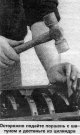
Removal the flange A flange is formed on the cylinder wall as a result of wear and prevents the piston and connecting rod from being removed. The flange is removed using a special reamer. In this case, set the piston to...
Removal the flange A flange is formed on the cylinder wall as a result of wear and prevents the piston and connecting rod from being removed. The flange is removed using a special reamer. In this case, set the piston to...

Checking cylinders, pistons and connecting rods
Cylinders The clearance between the cylinder and the piston should be within 0.038-0.0635 mm. Check the surface condition, ovality and taper of the cylinders by measuring the diameter in three planes, in directions...
Cylinders The clearance between the cylinder and the piston should be within 0.038-0.0635 mm. Check the surface condition, ovality and taper of the cylinders by measuring the diameter in three planes, in directions...

Cylinder block — repair
Repair of the cylinder block, as well as replacement of pistons, are performed in a car service center. Only honing of cylinders is permitted independently. Pistons On Odyssey engines the pin is pressed into the piston....
Repair of the cylinder block, as well as replacement of pistons, are performed in a car service center. Only honing of cylinders is permitted independently. Pistons On Odyssey engines the pin is pressed into the piston....
Cylinder Block — Assembly
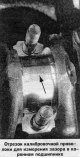
Before assembly, the cylinder block should be cleaned and checked; it is recommended to apply an aerosol composition to the block to protect it from corrosion (for example WD-40). Replace all oil channel plugs....
Before assembly, the cylinder block should be cleaned and checked; it is recommended to apply an aerosol composition to the block to protect it from corrosion (for example WD-40). Replace all oil channel plugs....
Starting and running in the repaired engine
1. Before starting the engine, check the oil and coolant levels. 2. Start the engine, if after 10 seconds after starting the oil pressure lamp does not go out, then stop the engine. 3. Warm up the engine and check for...
1. Before starting the engine, check the oil and coolant levels. 2. Start the engine, if after 10 seconds after starting the oil pressure lamp does not go out, then stop the engine. 3. Warm up the engine and check for...

Engine technical data (specifications)
Engine technical data (dimensions and clearances are given in mm)
Engine technical data (dimensions and clearances are given in mm)
This section is available on: russian, bulgarian, belarusian, ukrainian, serbian, croatian, romanian, polish, slovak, hungarian
Link in different formats to this section
TEXTHTMLBB Code
- General information
- User manual
- Technical data
- Maintenance
- Power unit
- Engine repair
- Lubrication system
- Cooling system
- Exhaust system
- Fuel system
- Engine management
- Engine electrical equipment
- Transmission
- Clutch
- Manual gearbox
- Automatic gearbox
- Rear differential
- Drive shafts
- Chassis and running gear
- Steering
- Front suspension
- Rear suspension
- Brake system
- Body and interior
- Exterior (external elements)
- Interior (internal elements)
- Doors, locks and windows
- General information
- Maintenance
- Tips for car owner
- Power unit
- Engine repair
- Engine overhaul
- Cooling and lubrication system
- Engine electrical equipment
- Control system
- Fuel system
- Transmission
- Clutch and drive shafts
- Car gearbox
- Chassis and running gear
- Front suspension
- Rear suspension
- Steering
- Brake system
- Body and interior
- Body service
- Exterior (external elements)
- Interior (internal elements)
- Electrical equipment
- Equipment and devices
- Electrical circuits