
2. Fill the master cylinder with fresh DOT 3 brake fluid.
Attention! Do not reuse liquid that has been pumped out of the system, or liquid that has been stored in a loosely closed container for a long time.
3. Jack up the vehicle and place it on supports, ensuring normal access to the slave cylinder on the clutch dome.
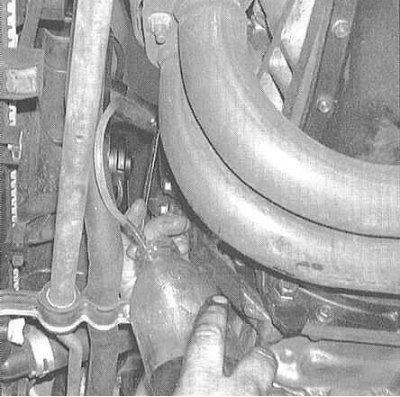
4. Remove the dust cap and attach the end of a plastic hose of a suitable size to the cylinder bleeder valve. Place the other end of the hose in a transparent container partially filled with brake fluid. Make sure that the end of the hose is completely immersed in the fluid.
5. Ask an assistant to depress the clutch pedal and lock it in the lower position. Open the bleeder valve and release the fluid from the cylinder into the drain container. When the flow of fluid mixed with air bubbles stops, tighten the valve tightly again and allow the assistant to release the pedal.
6. Continue bleeding in the same manner until the fluid coming out of the cylinder is completely free of air bubbles. Constantly carefully monitor the fluid level in the master cylinder reservoir, not allowing it to drop too low, which could result in air getting into the tract and nullifying all efforts made.
7. Once bleeding is complete, disconnect the hose and replace the dust cap. Lower the vehicle to the ground and check the clutch for proper operation.