


Vehicle electrical equipment and instruments Honda HR-V 1
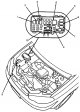
Location of relays and control units
Engine bay Note: Left hand drive model shown; the layout on the right-hand drive model is similar. 1. headlight relay 1; 2. headlight relay 2; 3. horn relay; 4. Fan motor relay; 5. condenser fan relay; 6. radiator fan...
Engine bay Note: Left hand drive model shown; the layout on the right-hand drive model is similar. 1. headlight relay 1; 2. headlight relay 2; 3. horn relay; 4. Fan motor relay; 5. condenser fan relay; 6. radiator fan...
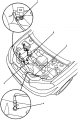
Location of wiring harnesses and grounding
Engine bay Note: Left hand drive model shown; the layout on the right-hand drive model is similar. 1. G1 2. Starter cables 3. Engine ground cable 4. G2 5. Battery ground cable Note: Left hand drive model shown; the...
Engine bay Note: Left hand drive model shown; the layout on the right-hand drive model is similar. 1. G1 2. Starter cables 3. Engine ground cable 4. G2 5. Battery ground cable Note: Left hand drive model shown; the...

Battery testing
WARNING The electrolyte contains sulfuric acid. If it comes into contact with the skin or eyes, it can cause severe burns. Wear protective clothing and glasses. - If electrolyte comes into contact with your skin or...
WARNING The electrolyte contains sulfuric acid. If it comes into contact with the skin or eyes, it can cause severe burns. Wear protective clothing and glasses. - If electrolyte comes into contact with your skin or...

Power supply relay
Note: For testing the turn signal/hazard warning relay input, see below. Normally open relay type A: 1. Check for conductivity between the contacts. When power and ground are applied to contacts #3 and #5, there should...
Note: For testing the turn signal/hazard warning relay input, see below. Normally open relay type A: 1. Check for conductivity between the contacts. When power and ground are applied to contacts #3 and #5, there should...
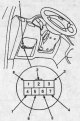
Ignition switch — testing
This area contains the Supplemental Restraint System (SRS) components. Review the SRS component locations, precautions, and procedures before performing repairs or maintenance. 1. Disconnect the negative and positive...
This area contains the Supplemental Restraint System (SRS) components. Review the SRS component locations, precautions, and procedures before performing repairs or maintenance. 1. Disconnect the negative and positive...

Fuses
Under Hood Fuse/Relay Box 1. To relay 1 headlights; 2. To relay 2 headlights; 3. Not used; 4. To the horn relay; 5. To the fan motor relay; 6. To the condenser fan relay; 7. To the radiator fan relay; 8. To the air...
Under Hood Fuse/Relay Box 1. To relay 1 headlights; 2. To relay 2 headlights; 3. Not used; 4. To the horn relay; 5. To the fan motor relay; 6. To the condenser fan relay; 7. To the radiator fan relay; 8. To the air...

Instrument cluster — description
Note: Left hand drive model shown; the layout on the right-hand drive model is similar. 1. fuel level indicator sensor 2. instrument cluster 3. Vehicle speed alarm unit (model ku) 4. brake fluid level sensor 5. Engine...
Note: Left hand drive model shown; the layout on the right-hand drive model is similar. 1. fuel level indicator sensor 2. instrument cluster 3. Vehicle speed alarm unit (model ku) 4. brake fluid level sensor 5. Engine...

Instrument cluster — replacement
Caution: To avoid damaging the instrument cluster, do not place it with the scales facing down. 1. Remove the instrument panel. 2. Remove the screws from the instrument cluster and cover the upper steering column cover...
Caution: To avoid damaging the instrument cluster, do not place it with the scales facing down. 1. Remove the instrument panel. 2. Remove the screws from the instrument cluster and cover the upper steering column cover...

Vehicle Speed Sensor — Replacement
1. Disconnect the 3-pin connector from the vehicle speed sensor (VSS). 2. Loosen the mounting bolt, then remove the VSS. 1. mounting bolt; 2. 3-pin connector; 3. Vehicle Speed Sensor (VSS) 3. Installation is performed...
1. Disconnect the 3-pin connector from the vehicle speed sensor (VSS). 2. Loosen the mounting bolt, then remove the VSS. 1. mounting bolt; 2. 3-pin connector; 3. Vehicle Speed Sensor (VSS) 3. Installation is performed...

Vehicle Speed Alarm System (KY Model)
Testing the vehicle speed alarm unit Note: Before testing, check fuse #6 (7.5A) in the under-dash fuse/relay box. 1. Carefully remove the lower instrument panel cover. 2. Check for conductivity between contact #6 and...
Testing the vehicle speed alarm unit Note: Before testing, check fuse #6 (7.5A) in the under-dash fuse/relay box. 1. Carefully remove the lower instrument panel cover. 2. Check for conductivity between contact #6 and...

Integrated control unit
1. INTEGRATED CONTROL UNIT 2. 12-PIN CONNECTOR 3. Female connector on the harness side 4. RED-BLUE WIRE 5. BLACK AND RED WIRE 6. RED-GREEN WIRE [LIGHT GREEN-RED WIRE] 7. GREEN WIRE 8. WHITE-BLUE WIRE 9. BLACK WIRE 10....
1. INTEGRATED CONTROL UNIT 2. 12-PIN CONNECTOR 3. Female connector on the harness side 4. RED-BLUE WIRE 5. BLACK AND RED WIRE 6. RED-GREEN WIRE [LIGHT GREEN-RED WIRE] 7. GREEN WIRE 8. WHITE-BLUE WIRE 9. BLACK WIRE 10....

Electric windows — general description
Note: Left hand drive model shown; the layout on the right-hand drive model is similar. 1. ELECTRIC WINDOW RELAY 2. FUSE/RELAY BOX UNDER THE DASHBOARD 3. PASSENGER POWER WINDOW SWITCH 4. PASSENGER ELECTRIC WINDOW MOTOR...
Note: Left hand drive model shown; the layout on the right-hand drive model is similar. 1. ELECTRIC WINDOW RELAY 2. FUSE/RELAY BOX UNDER THE DASHBOARD 3. PASSENGER POWER WINDOW SWITCH 4. PASSENGER ELECTRIC WINDOW MOTOR...

Electric windows — troubleshooting
Note: The numbers in the table indicate the sequence of troubleshooting.
Note: The numbers in the table indicate the sequence of troubleshooting.

Resetting the electric window control unit
It is necessary to reset the electric window control unit in the following cases: Battery power supply interrupted. Power failure due to blown fuses No.52 (20 A) and No.4 (7.5 A). Open circuit due to disconnection of...
It is necessary to reset the electric window control unit in the following cases: Battery power supply interrupted. Power failure due to blown fuses No.52 (20 A) and No.4 (7.5 A). Open circuit due to disconnection of...
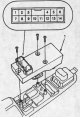
Testing the main switch of the electric windows
1. Remove the pocket in the armrest. 2. Disconnect the 14-pin connector from the power window main switch. 1. Main switch for electric windows Driver Switch: The driver switch is integral with the control unit, so it...
1. Remove the pocket in the armrest. 2. Disconnect the 14-pin connector from the power window main switch. 1. Main switch for electric windows Driver Switch: The driver switch is integral with the control unit, so it...

Testing the main power window switch input
Note: The control unit is built into the main power window switch and controls only the driver's door window operations. 1. Remove the power window master switch and armrest pocket on the door panel. 2. Disconnect the...
Note: The control unit is built into the main power window switch and controls only the driver's door window operations. 1. Remove the power window master switch and armrest pocket on the door panel. 2. Disconnect the...
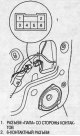
Testing the driver's electric window motor
Engine testing 1. Remove the driver's side door panel and disconnect all connectors. 2. Disconnect the 6-pin connector from the power window motor. Caution: When the motor stops rotating, immediately disconnect one...
Engine testing 1. Remove the driver's side door panel and disconnect all connectors. 2. Disconnect the 6-pin connector from the power window motor. Caution: When the motor stops rotating, immediately disconnect one...
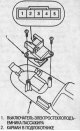
Testing the passenger power window switch
1. Remove the pocket from the armrest. 2. Disconnect the 5-pin connector, then remove the mounting screws from the switch. 3. Check the presence of conductivity between the contacts in all switch positions in accordance...
1. Remove the pocket from the armrest. 2. Disconnect the 5-pin connector, then remove the mounting screws from the switch. 3. Check the presence of conductivity between the contacts in all switch positions in accordance...
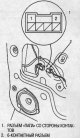
Testing the passenger power window motor
1. Remove the passenger side door panel and disconnect all connectors. 2. Disconnect the 6-pin connector from the power window motor. Caution: When the motor stops rotating, immediately disconnect one terminal. 3. Check...
1. Remove the passenger side door panel and disconnect all connectors. 2. Disconnect the 6-pin connector from the power window motor. Caution: When the motor stops rotating, immediately disconnect one terminal. 3. Check...

Electric Door Locks — General Description
Note: Left hand drive model shown; the layout on the right-hand drive model is similar. 1. UNLOCK BUTTON 2. TRANSMITTER 3. LOCKING BUTTON 4. REAR DOOR LOCK DRIVE 5. DRIVER'S DOOR LOCK PUSH BUTTON SWITCH (without remote...
Note: Left hand drive model shown; the layout on the right-hand drive model is similar. 1. UNLOCK BUTTON 2. TRANSMITTER 3. LOCKING BUTTON 4. REAR DOOR LOCK DRIVE 5. DRIVER'S DOOR LOCK PUSH BUTTON SWITCH (without remote...

Electric Door Locks — Testing
Testing at the control unit input (without remote door locking system) 1. Remove the lower pocket on the driver's side (see Ch. " Body "). 2. Disconnect the 6-pin connector from the control unit. 3. Check the connector...
Testing at the control unit input (without remote door locking system) 1. Remove the lower pocket on the driver's side (see Ch. " Body "). 2. Disconnect the 6-pin connector from the control unit. 3. Check the connector...

Rear window defroster
Note: Left hand drive model shown; the layout on the right-hand drive model is similar. 1. Rear window defroster switch 2. Rear window defroster ( see below ) Testing the switch 1. Remove the center section of the...
Note: Left hand drive model shown; the layout on the right-hand drive model is similar. 1. Rear window defroster switch 2. Rear window defroster ( see below ) Testing the switch 1. Remove the center section of the...

Electric Mirrors — Description and Testing
Note: Left hand drive model shown; the arrangement on the right-hand drive model is symmetrical. 1. Electric mirror 2. Power mirror switch Checking functionality 1. Remove the driver's side door panel. 2. Disconnect the...
Note: Left hand drive model shown; the arrangement on the right-hand drive model is symmetrical. 1. Electric mirror 2. Power mirror switch Checking functionality 1. Remove the driver's side door panel. 2. Disconnect the...
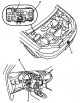
Sound signal — description and verification
This area contains the Supplemental Restraint System (SRS) components. Review the SRS component locations, precautions, and procedures before performing repairs or maintenance. Note: Left hand drive model shown; the...
This area contains the Supplemental Restraint System (SRS) components. Review the SRS component locations, precautions, and procedures before performing repairs or maintenance. Note: Left hand drive model shown; the...
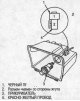
Testing the cigarette lighter
1. Remove the center section of the instrument panel (see chap. " Body "). 2. Remove the radio panel. 3. Disconnect the 2-pin connector from the cigarette lighter. 4. Check the connector contacts and make sure they...
1. Remove the center section of the instrument panel (see chap. " Body "). 2. Remove the radio panel. 3. Disconnect the 2-pin connector from the cigarette lighter. 4. Check the connector contacts and make sure they...

Glass cleaners and washers — description and testing
Note: Left hand drive model shown; the layout on the right-hand drive model is similar. 1. REAR WINDOW WASHER MOTOR 2. WINDSHIELD WASHER PIPE REAR WASHER PIPE 3. WINDSHIELD WASHER MOTOR 4. WASHER RESERVOIR 5. WINDSHIELD...
Note: Left hand drive model shown; the layout on the right-hand drive model is similar. 1. REAR WINDOW WASHER MOTOR 2. WINDSHIELD WASHER PIPE REAR WASHER PIPE 3. WINDSHIELD WASHER MOTOR 4. WASHER RESERVOIR 5. WINDSHIELD...

Replacing the windshield washer reservoir
1. Remove the left front inner fender. 2. Remove the filler neck of the tank. 3. Remove the three mounting bolts from the washer reservoir. 1. TANK FILLER 2. TANK WITH WASHING LIQUID 3. 6x1.0 mm, 9.8 Nm (1.0 kgf/m) 4....
1. Remove the left front inner fender. 2. Remove the filler neck of the tank. 3. Remove the three mounting bolts from the washer reservoir. 1. TANK FILLER 2. TANK WITH WASHING LIQUID 3. 6x1.0 mm, 9.8 Nm (1.0 kgf/m) 4....

Replacing the washer tubes
1. Remove the front bumper. 2. Remove the left front inner fender. 3. Disconnect the 2-pin connectors and hoses from the washer motors. 4. Unscrew the three mounting bolts and remove the washer reservoir. 5. Remove the...
1. Remove the front bumper. 2. Remove the left front inner fender. 3. Disconnect the 2-pin connectors and hoses from the washer motors. 4. Unscrew the three mounting bolts and remove the washer reservoir. 5. Remove the...
This section is available on: russian, bulgarian, belarusian, ukrainian, serbian, croatian, romanian, polish, slovak, hungarian
Link in different formats to this section
TEXTHTMLBB Code
- General information
- User manual
- Maintenance
- Power unit
- Engine repair
- Lubrication system
- Cooling system
- Fuel injection and control
- Power and exhaust system
- Engine electrical equipment
- Transmission
- Clutch
- Mechanical gearbox
- Automatic gearbox
- Rear differential
- Drive shafts and cardan
- Chassis and running gear
- Steering
- Car suspension
- Brake system
- Body and interior
- Exterior (external elements)
- Interior (internal elements)
- Doors, locks and windows
- Electrical equipment
- Equipment and devices
- Lighting system
- Electrical circuits